On November 19, 2025, Her Excellency Ambassador Birgitta Tazelaar and Defense Attaché Air Commodore Erwin van Beijouw, in partnership with Stars and Stripes, opened the doors of the Ambassador’s residence in Washington, D.C., for an evening devoted to remembrance, historical reflection, and the celebration of an enduring transatlantic bond. The gathering brought together friends of the Netherlands, members of the U.S. military community, diplomats, historians, and enthusiasts of World War II history—an audience united by a shared respect for a relationship forged in sacrifice.
The event, entitled “80 Years of Freedom: Shared History, Shared Future,” commenced with thoughtful remarks by Ms. Janna van der Velde, Minister Plenipotentiary and Deputy Chief of Mission at the Embassy of the Kingdom of the Netherlands. Her opening address set a contemplative tone, reminding attendees that diplomatic ties, while often discussed in political or economic terms, are equally shaped by collective memory and shared values. She emphasized that the history connecting the Dutch and American people is not simply a narrative of military cooperation, but a human story of liberation, gratitude, and solidarity that continues to inspire both nations today.
Before and following these remarks, guests were invited to explore a special exhibition of historic Stars and Stripes newspapers displayed in the residence’s elegant Dining Room. Carefully curated for the occasion, the original wartime prints provided a rare and compelling window into the liberation of the Netherlands during World War II. These pages—browned at the edges yet rich with urgency—captured the fears, hopes, and triumphs of an era when freedom was both precarious and precious. Visitors lingered over headlines celebrating advances made by Allied forces, and over stories describing Dutch civilians emerging from years of oppression. Standing before these artifacts, one could almost hear the echoes of young American servicemen whose bravery altered the course of a nation’s future.

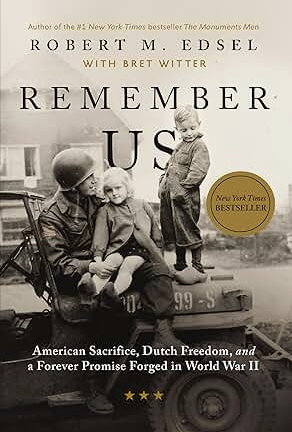
The evening’s keynote address was delivered by Robert Edsel, acclaimed author of The Monuments Men and Remember Us. Renowned for his dedication to uncovering overlooked stories of heroism and cultural preservation, Edsel offered a captivating historical narrative that blended meticulous research with deeply personal accounts. Through a moving slide presentation, he introduced the audience to an extraordinary tradition: the adoption of American soldiers’ graves by Dutch families in the postwar years. These families—many of them villagers who had lived through the hunger, fear, and devastation of occupation—committed themselves to tending the graves of young Americans who had never returned home. Generation after generation, they placed flowers, wrote letters, and ensured that these soldiers were more than names etched in stone.
Edsel reflected on the profound nature of gratitude, describing it as both a deeply personal emotion and a powerful social force that shapes relationships across borders and across time. He reminded the audience that the Dutch people, who had seen their liberties extinguished under Nazi occupation, never forgot those who restored that freedom. Their gestures—quiet, consistent, and heartfelt—embody a legacy of remembrance that continues to inspire.
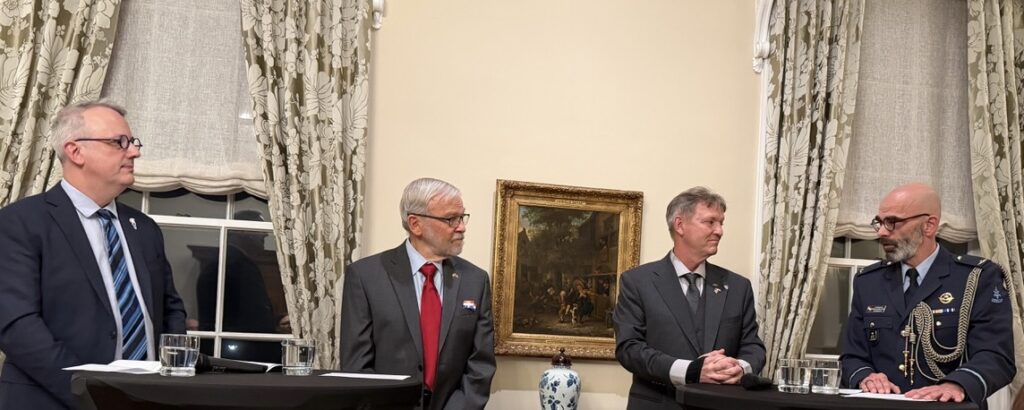
A panel discussion followed, expanding upon several themes raised in the keynote. The panelists delved into the immense challenges the Netherlands faced during the war, including the devastating “Hunger Winter” of 1944–45, when food shortages led to widespread suffering among civilians. They illuminated the collaborative efforts of Allied forces to deliver lifesaving humanitarian aid, including daring airborne operations that dropped food to starving populations. These discussions underscored an important truth: liberation is not a single moment in time but a multifaceted process involving military courage, humanitarian coordination, and resilient communities determined to rebuild.
For me, the evening carried a particular resonance, as I had just returned from a visit to the Netherlands. As Edsel spoke of young people placing flowers on the graves of American soldiers, I was reminded of the serene Dutch landscapes I had driven through with my cousins Safeer, Imran, Amri and Basheer —fields stretching under expansive skies, villages pulsing with warmth, and markers of memory woven seamlessly into the environment. Among the many countries I have visited, the Netherlands stood out for its sincere appreciation of friendship and its commitment to honoring history in a way that feels both authentic and deeply rooted in the national identity.
I was also struck during my visit by the lasting impact of the Marshall Plan on the Netherlands’ postwar transformation. While many European nations benefited from this American initiative, the Netherlands leveraged the assistance with particular effectiveness, using it to modernize and diversify its economy. Today, the country stands as one of Europe’s most dynamic and innovative societies—a testament both to its own industrious spirit and to the international cooperation that supported its recovery. Like many countries, the Netherlands is navigating the complexities of immigration and demographic change, yet it approaches these challenges with resilience and a distinctive openness shaped by its history.
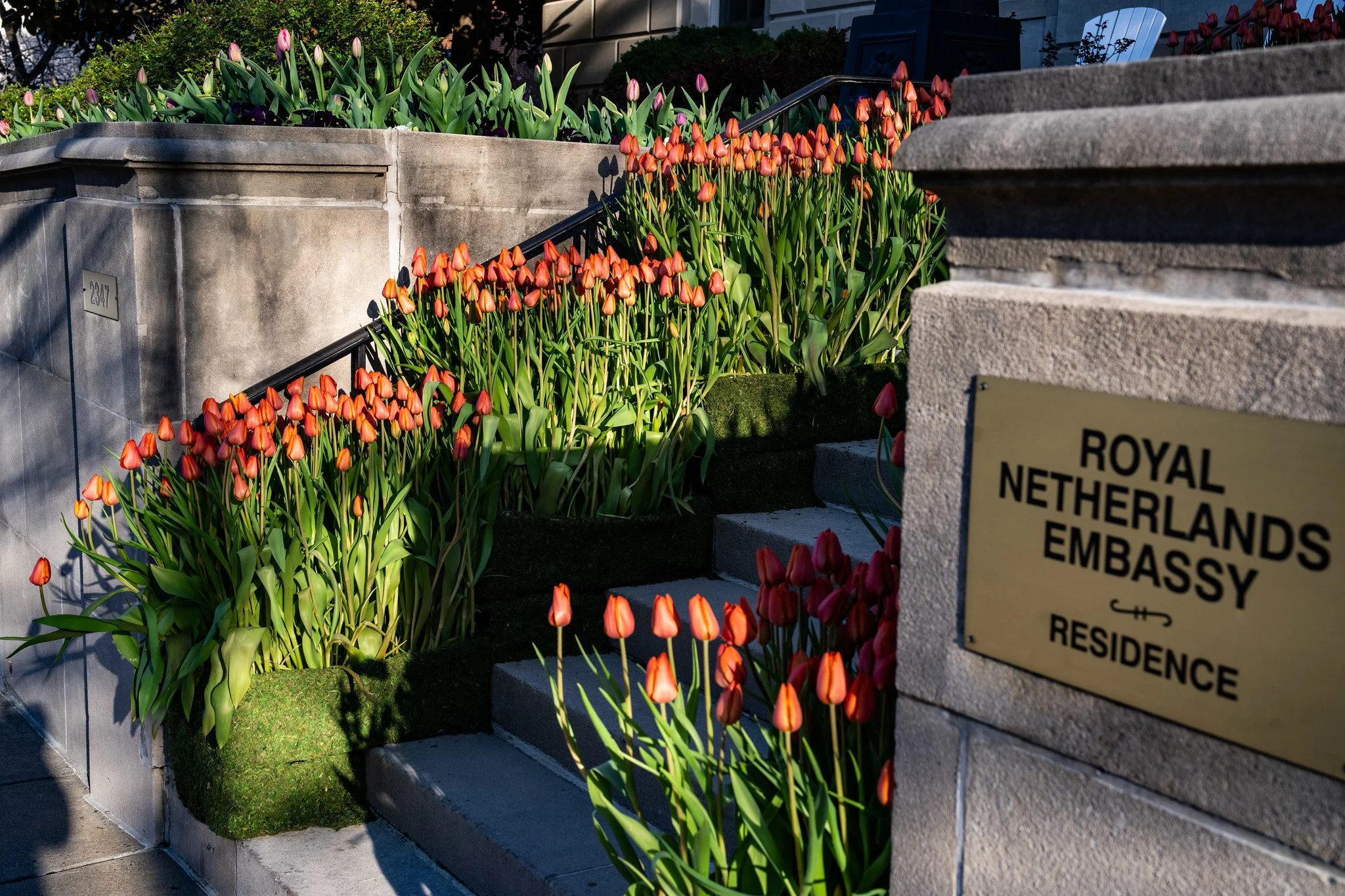
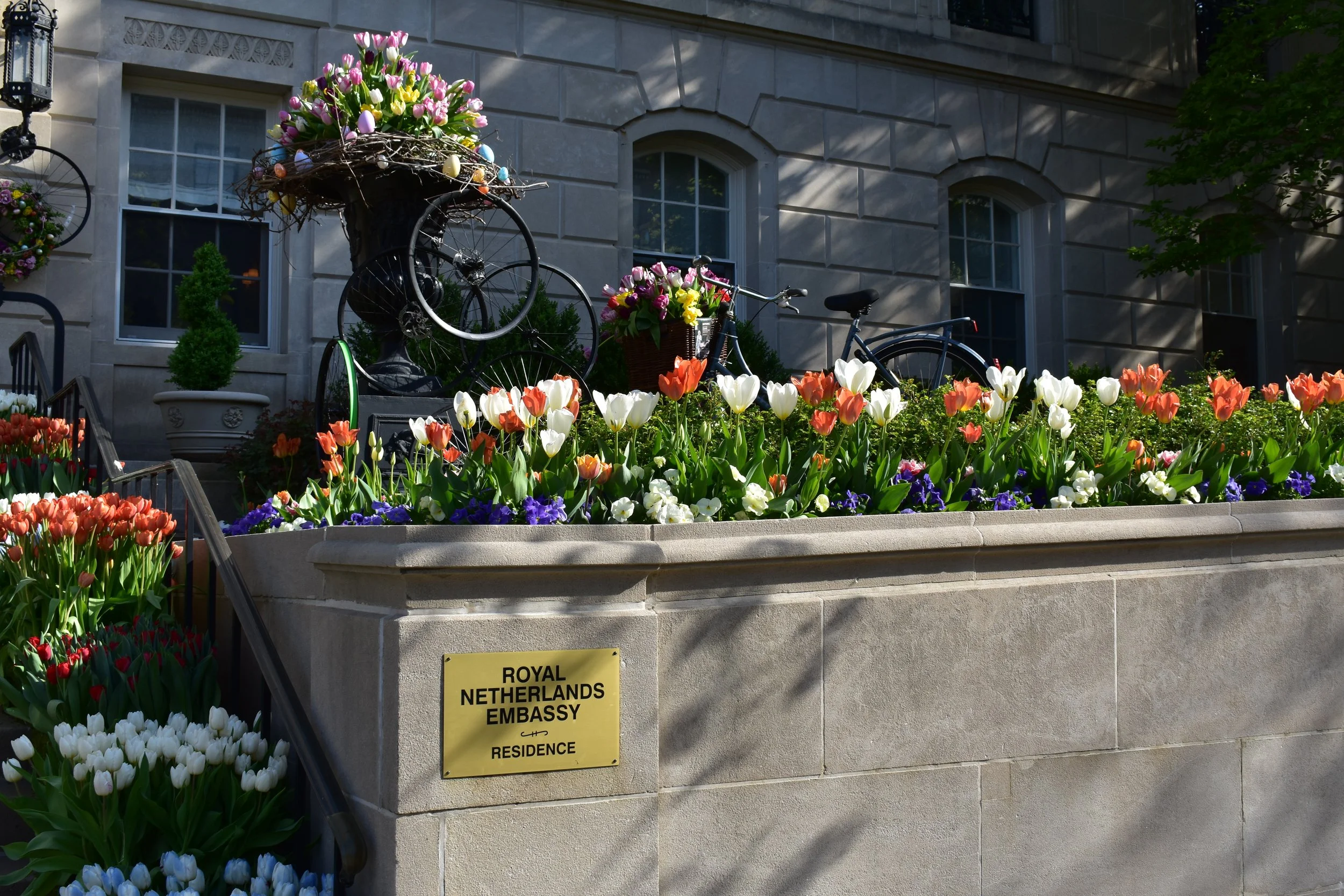
When people think of the Netherlands, tulips often come first to mind. Though the iconic flower represents beauty and renewal, it captures only a fraction of what makes the country remarkable. Its true beauty lies in the character of its people—their pragmatism, their compassion, and their unwavering commitment to remembering those who secured their freedom.
In his poem “The Young Dead Soldiers Do Not Speak,” famously quoted in Edsel’s work, Archibald MacLeish wrote: “They say: We leave you our deaths. Give them their meaning.” That evening at the Ambassador’s residence, through stories, reflections, and shared remembrance, meaning was indeed given—not only to the sacrifices of the past but to the responsibilities of the present.
MacLeish concludes: “We were young, they say. We have died. Remember us.” And so, they were remembered—not only in the magnigicent surroundings of the residence but in the hearts of all who attended, ensuring that their legacy remains alive.
The event served as both a commemoration and a reaffirmation of the enduring bond between the Netherlands and the United States—a bond built on sacrifice, gratitude, and a steadfast commitment to learning from history as we shape a more peaceful future.