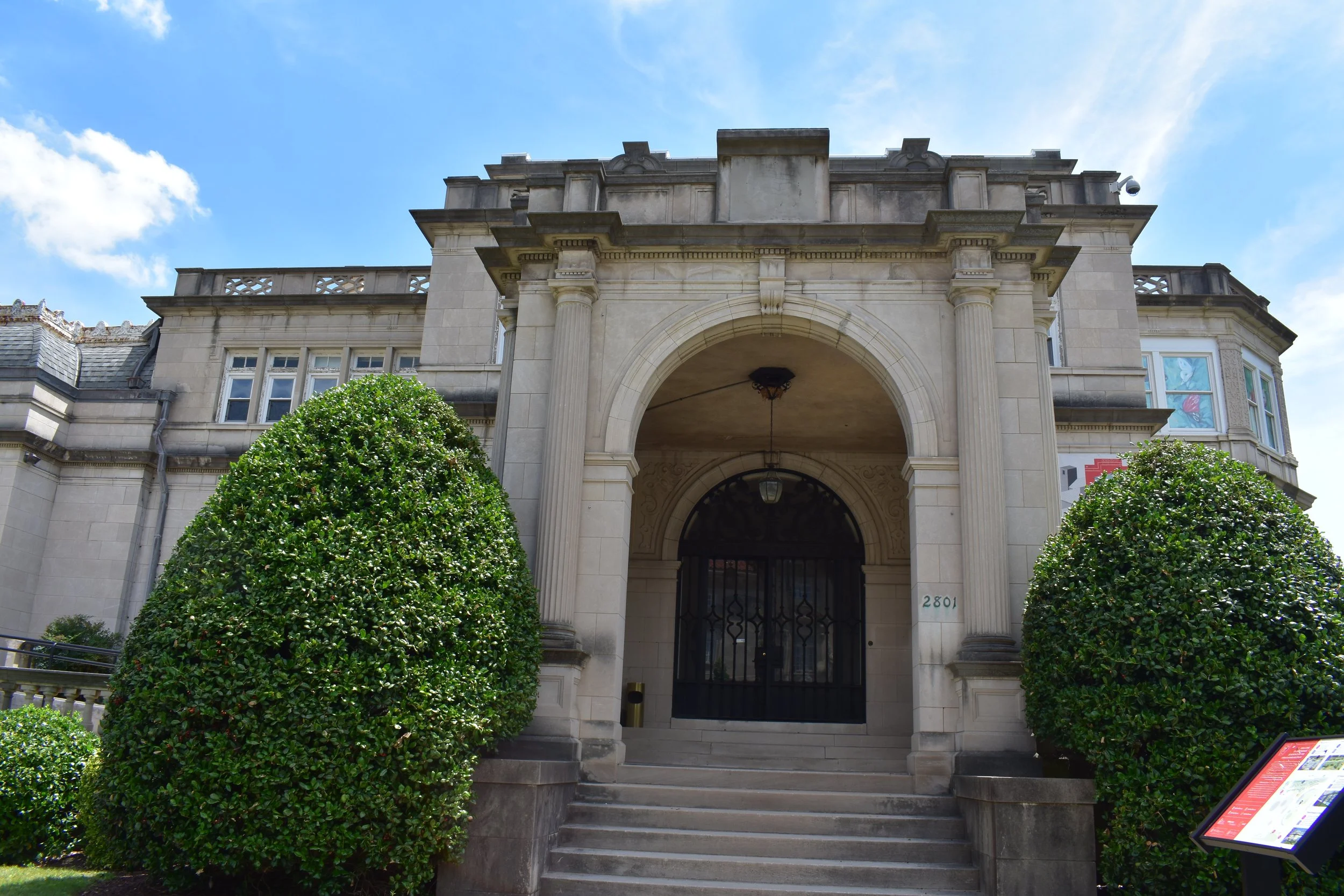
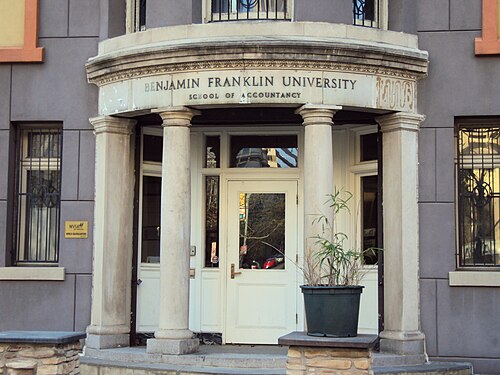
In the heart of Washington D.C., within a building once dedicated to the pragmatic doctrines of Benjamin Franklin, a different kind of enlightenment now breathes. Where students once gathered to master the art of accountancy and the virtues of self-reliance, the Sultan Qaboos Cultural Center (SQCC) now stands as a sanctuary of diplomacy and heritage. It was here, under the warm stewardship of Dr. Majid Al-Khalili, the center’s executive director, that a modern dialogue unfolded—a reflection on a friendship that has endured for over two centuries, as rhythmic and constant as the tides of the Arabian Sea.
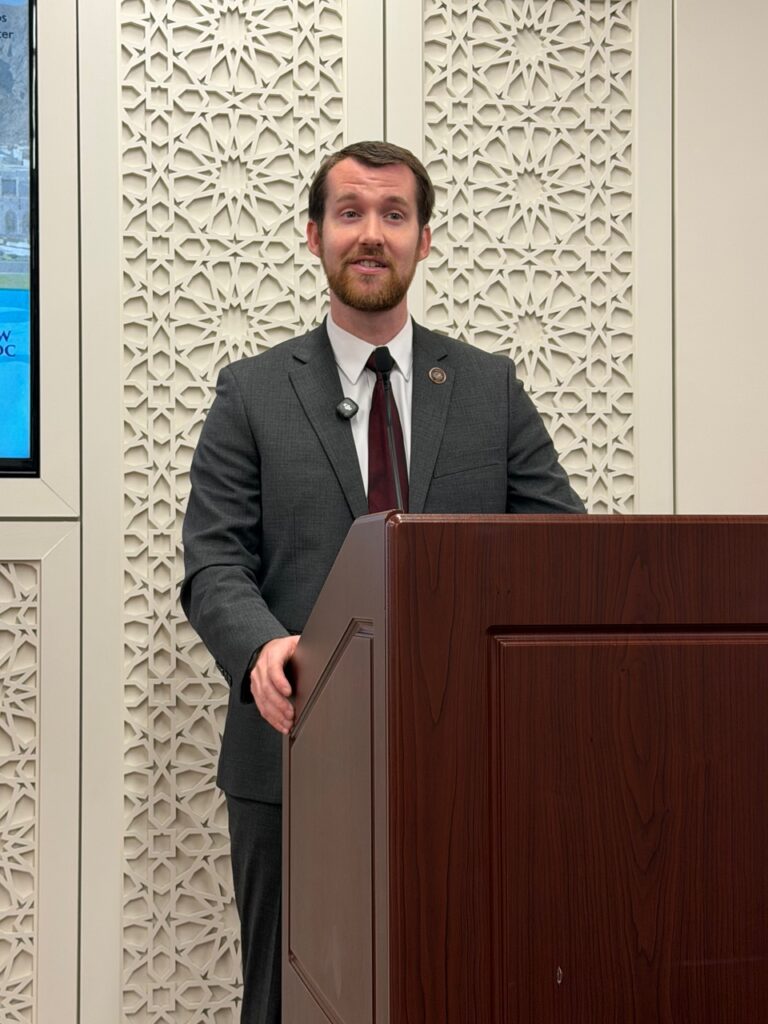
The occasion was a lecture on February 11, 2026, by Dr. Tyler B. Parker of Mercer University, whose insights served as a compass through the intricate geography of Omani foreign policy. As guests settled into the hall, the atmosphere felt less like a dry academic seminar and more like a maritime chronicle. Dr. Parker anchored his discussion in a poignant 2003 quote from Sayyid Badr bin Hamidi al-Busaidi, noting that small states possess a unique power: the ability to make “decisive contributions” to the world through an “intrinsic independence.”
This concept of “independence” is the golden thread that sews the United States and Oman together. It is a relationship that defies the typical gravity of superpower politics, spanning 235 years of mutual respect, seafaring commerce, and a shared belief in the “freedom of the seas.”
A Maritime Genesis
The story began not with grand treaties, but with the creak of timber and the snap of canvas. In 1790, the Boston Rambler reached the shores of Muscat, seeking a sovereign alternative to British trade hegemony. This was the dawn of the “Omani Model”—a brand of diplomacy characterized by quiet mediation and strategic autonomy.
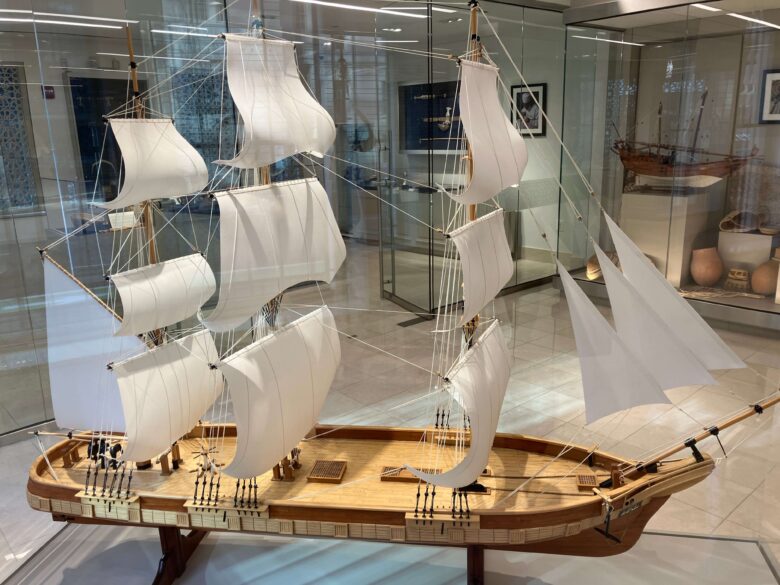
By 1833, this informal kinship was codified in the Treaty of Amity and Commerce, the first of its kind between the United States and an Arab state. While European powers of the era sought the heavy chains of colonization, the U.S. and Oman sought only a handshake. This spirit was immortalized in 1840 when the iconic ship, the Al-Sultanah, sailed into New York Harbor. Onboard was Ahmad bin Na’aman, the first accredited Arab diplomat to reach American shores.
Dr. Parker shared an image of this legendary vessel, reminding the audience that these early encounters were a “sophisticated recognition of mutual sovereignty.” The gifts exchanged then—Arabian horses and gold-mounted swords—did more than just dazzle; they forced the young American Republic to refine its own constitutional protocols for international friendship.
The Six Pillars of Deft Diplomacy
Drawing from his extensive research and referencing seminal works like Dr. Al-Khalili’s Oman’s Foreign Policy and Linda Pappas Funsch’s Oman Reborn (who graced the audience with her presence), Dr. Parker outlined the six pillars that define this enduring bond:
- Identifying Independence: Oman does not merely follow; it charts its own course.
- Explaining Action: Every Omani diplomatic move is a calculated step toward regional equilibrium.
- International Connections: A web of relations that spans the globe without compromising core values.
- The U.S. as a Fundamental Friend: A relationship built on 235 years of “most-favored-nation” trust.
- The Future of Friendship: Moving beyond oil into green hydrogen and data centers.
- Deft Diplomacy: The “Omani Bridge” that provides a pressure valve for regional tensions.
This “Deft Diplomacy” was most visible during the 1980 Facilities Access Agreement. At a time of global upheaval, Oman became the first Gulf state to formalize a security partnership with Washington. Yet, in a masterclass of sovereignty, Sultan Qaboos bin Said refused to host permanent foreign bases, opting instead for “facilities access.” This subtle distinction allowed Oman to remain a “strategic anchor” while preserving its role as the region’s most trusted interlocutor.
From the Strait to the Center
The lecture highlighted how this history has transitioned into the “Duqm Paradigm” of 2026. As the world watches the narrow Strait of Hormuz, the Port of Duqm—located safely on the Arabian Sea—has become a vital “safety valve” for international commerce and American naval logistics. It is a physical manifestation of Oman’s role: a deep-water sanctuary that bypasses conflict.
Yet perhaps the most poetic realization of the evening was the setting itself. The SQCC building, formerly the home of Benjamin Franklin University, shares a profound spiritual DNA with its current inhabitants. Franklin’s doctrines of thrift and self-reliance find a mirror in Oman’s “Vision 2040” and its pursuit of a post-hydrocarbon future under Sultan Haitham bin Tariq.
The SQCC has done more than just renovate a physical structure; it has cultivated a space for enlightenment. It stands as a testament to the fact that a mid-sized power can maintain its soul while engaging with a superpower.
The Enduring Handshake
As the lecture concluded, the resonance between the 1833 Treaty and the 2009 Free Trade Agreement felt tangible. The U.S.-Oman relationship is not a loud or boisterous one; it is a “discreet mediator,” a quiet consistency that has saved lives and prevented wars through backchannel talks and honest brokering.
The “Omani Model” remains the gold standard for non-coercive diplomacy. It is a reminder that in a world of shifting sands and volatile politics, there is immense power in a relationship built on the “freedom of the seas” and the enduring strength of a 235-year-old handshake. In the halls of the SQCC, the dialogue continues—not as a relic of the past, but as a blueprint for a stable, multi-polar future.